
WHAT WE HELP WITH
Treatment for Panic Disorder
in person for Lubbock, TX and virtually for all of Texas
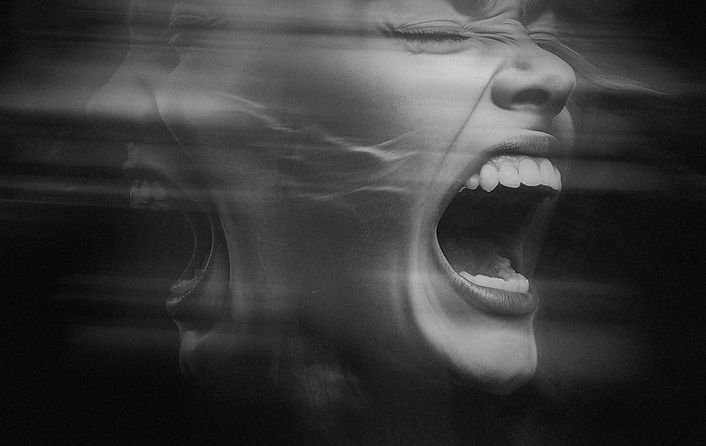
A panic attack feels like something is terribly wrong — your heart races, you can't breathe, and your body is screaming danger. The good news: panic disorder is highly treatable, and you don't have to keep living in fear of the next one.
Accepting new clients --- Most Insurances Accepted
RECOGNIZING PANIC DISORDER
Does This Sound Like You?
Panic disorder is more than just having panic attacks. It's the dread that follows — always watching, always waiting. You might recognize yourself in some of these:
-
You've had sudden, intense episodes of fear with physical symptoms — racing heart, shortness of breath, dizziness, chest tightness
-
You spend a lot of time worrying about when the next panic attack will happen
-
You've started avoiding places or situations where a panic attack might be embarrassing or hard to escape
-
You've gone to the ER or urgent care thinking something was physically wrong, only to be told it was anxiety
-
Everyday activities like driving, being in crowds, or going to the grocery store feel like risks
-
You feel like you can't fully trust your own body anymore
-
You've started limiting your life to avoid triggering a panic attack
Panic disorder can shrink your world fast — but it doesn't have to stay that way.
OUR APPROACH
How We Help with Panic Disorder
Panic attacks happen when your brain's threat-detection system misfires — sending a full alarm response when there's no real danger. The problem is that avoiding the alarm only makes your nervous system more sensitive over time. Therapy helps you understand what's driving the cycle and teaches you how to break it.
CBT (Cognitive Behavioral Therapy) is the gold-standard treatment for panic disorder, and it works by targeting both the thoughts and the behaviors that keep panic going. A key component is interoceptive exposure — gradually and safely learning to tolerate the physical sensations associated with panic so they stop triggering the fear response. ERP (Exposure and Response Prevention) helps with the avoidance piece, supporting you in gradually re-engaging with situations you've been steering clear of.
ACT (Acceptance and Commitment Therapy) teaches you to change your relationship with anxious thoughts and sensations rather than fighting them — reducing the secondary anxiety that often fuels panic. When panic has roots in past trauma or significant life stress, EMDR may be incorporated to address those deeper layers. Your therapist will work with you to build a treatment plan that fits your specific pattern of panic.
Recovery is possible.
93% of people with panic disorder experience significant improvement with evidence-based treatment, making it one of the most successful treatments in all of mental health care.
THE PROCESS
What to Expect
Step 1: Reach Out
Fill out our short contact form or call us. We'll follow up within one business day to answer questions and get you scheduled.
Step 2: Your First Session
Your therapist will take time to understand your history, what's been hard, and what you're hoping to get out of therapy. No pressure, no homework — just conversation.
Step 3: Start Making Progress
Together, you'll build practical tools to interrupt thought and behavior patterns. Most clients notice a shift in how they respond to stress within the first few sessions.
COMMON QUESTIONS
Frequently Asked Questions
What is the difference between a panic attack and an anxiety attack? __ These terms are often used interchangeably, but they're different. A panic attack comes on suddenly and peaks quickly (usually within 10 minutes), often with no clear trigger. It typically involves intense physical symptoms like heart pounding, shortness of breath, dizziness, and a feeling of unreality. An anxiety attack is usually tied to a stressor and builds more gradually. Both are treatable — the distinction mostly helps us choose the right approach.
Are panic attacks dangerous? __ Panic attacks feel extremely dangerous, but they are not medically harmful. Your body is experiencing a real physiological response — it's just misfired. No one has ever died from a panic attack. Understanding this is often an important first step in treatment, because the fear of the panic attack itself is what keeps the cycle going.
How do I know if I have panic disorder versus just panic attacks? __ Many people have a panic attack or two in their lives without developing panic disorder. Panic disorder is diagnosed when you've had repeated panic attacks and you're spending significant time worrying about future attacks or changing your behavior to avoid them. If panic is starting to shrink your life, that's a sign it's worth getting support.
Will I have to do things that scare me in therapy? __ Exposure-based therapy does involve gradually facing things you've been avoiding — but it's done carefully, collaboratively, and at a pace that feels manageable. You're never thrown in the deep end. The goal is to help your nervous system learn that it can handle the sensations and situations that have felt dangerous, so the fear response naturally decreases.
How long does panic disorder treatment usually take? __ Many people see significant improvement within 12–20 sessions. CBT for panic disorder has one of the best evidence bases in all of psychotherapy. That said, everyone's situation is different — your therapist will give you a clearer picture after your first few sessions.
Can I be treated for panic disorder via telehealth? __ Yes. Telehealth is fully effective for panic disorder treatment. In some ways it can even be advantageous — you can practice skills in your actual home environment. We offer telehealth to clients anywhere in Texas.
Do you treat agoraphobia as well? __ Yes. Agoraphobia — the avoidance of places or situations where escape might be difficult or help unavailable during a panic attack — often develops alongside panic disorder. Our therapists treat both together, using exposure-based approaches that help you gradually reclaim avoided situations.
What if I've had panic attacks for years--is it too late to get help? __ It's never too late. We've worked with clients who have struggled with panic disorder for decades and still experienced significant improvement. The length of time you've had it doesn't determine how well you'll respond to treatment.
How do I get started? You can reach out through our contact page or click the Get Started button to request an appointment. Taking that first step is often the hardest part — I'm glad you're here.